Where Does a Whitetail Deer Live?

Where Does a Whitetail Deer Live?

Whitetail deer are one of the most adaptable big game animals in North America. From dense forests to open ranch land, they’ve learned how to survive—and thrive—in a wide range of environments. Understanding where whitetails live helps hunters better predict movement patterns, bedding areas, and feeding behavior, especially in places like Texas where habitat diversity plays a major role.

Whitetail Deer Habitat Basics

At their core, whitetails look for three things: food, cover, and water. When those elements come together in one area, deer are likely to settle in and stay close.

They prefer environments that offer:

  • Thick vegetation for cover and protection

  • Open areas for feeding

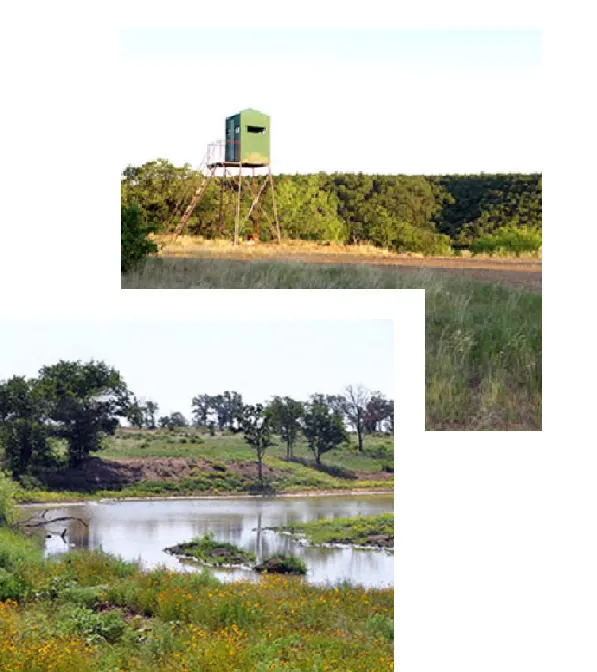
  • Reliable water sources such as creeks, tanks, or ponds

Whitetails don’t need vast wilderness. They simply need a landscape that allows them to move safely while meeting their daily needs.

Forest Edges and Transition Zones

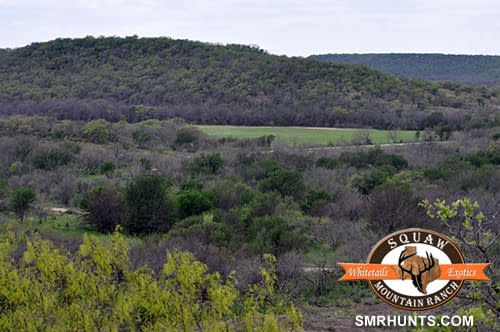
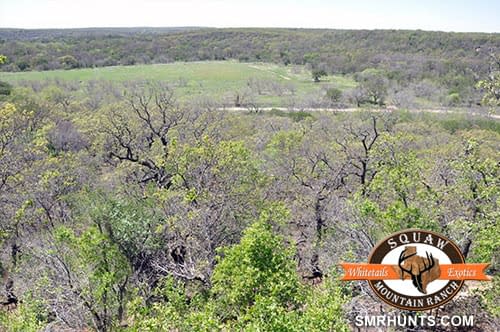
One of the most common places to find whitetail deer is along forest edges. These transition zones—where woods meet open fields—give deer the best of both worlds.

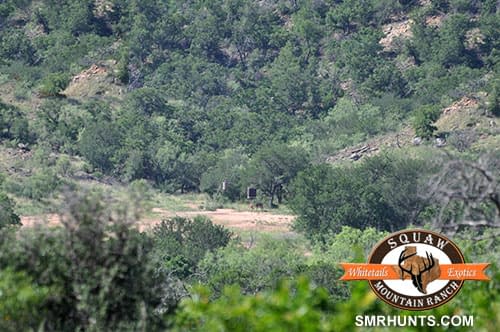
They can bed down in the timber during the day and step out to feed in the open during low-light hours. These edge habitats are often travel corridors and natural movement routes, making them especially important for hunters to recognize.

Where Whitetails Bed Down

Whitetail deer typically bed in areas that provide thick cover and good visibility. This might include:

  • Brushy draws and cedar breaks

  • Tall grass and native undergrowth

  • Elevated terrain with wind advantage

Bedding areas are usually chosen with safety in mind. Deer position themselves so they can see danger coming or smell it before it gets too close.

Whitetail Deer Habitat in Texas

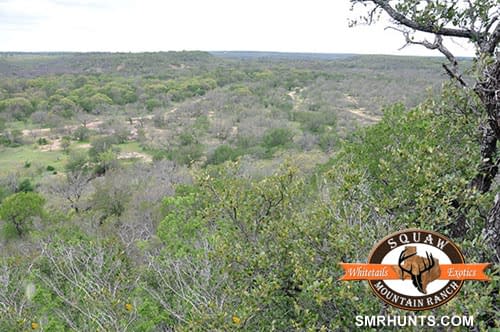
In Texas, whitetail deer are commonly found in Hill Country, ranch land, river bottoms, and mixed brush terrain. They adapt well to managed properties where food sources and cover are maintained year-round.

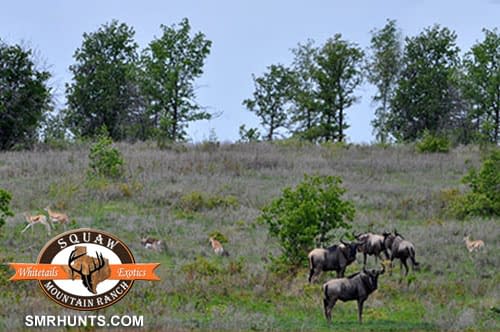
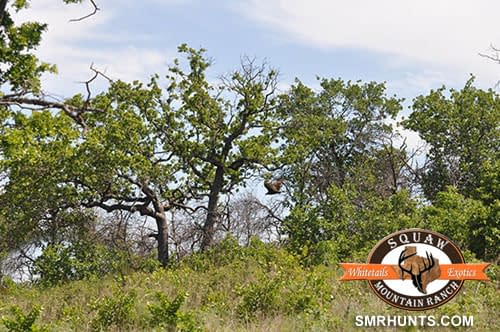
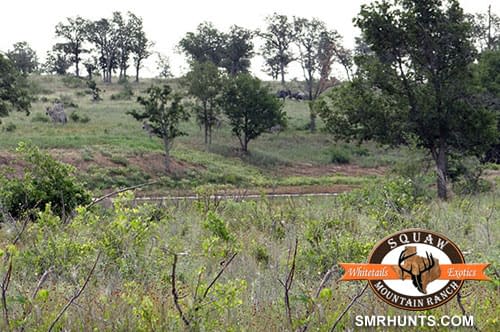
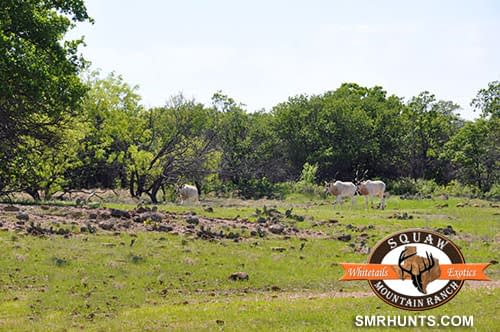
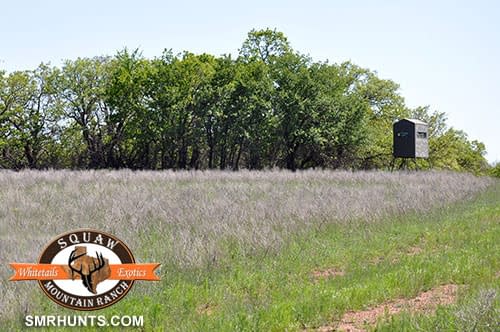
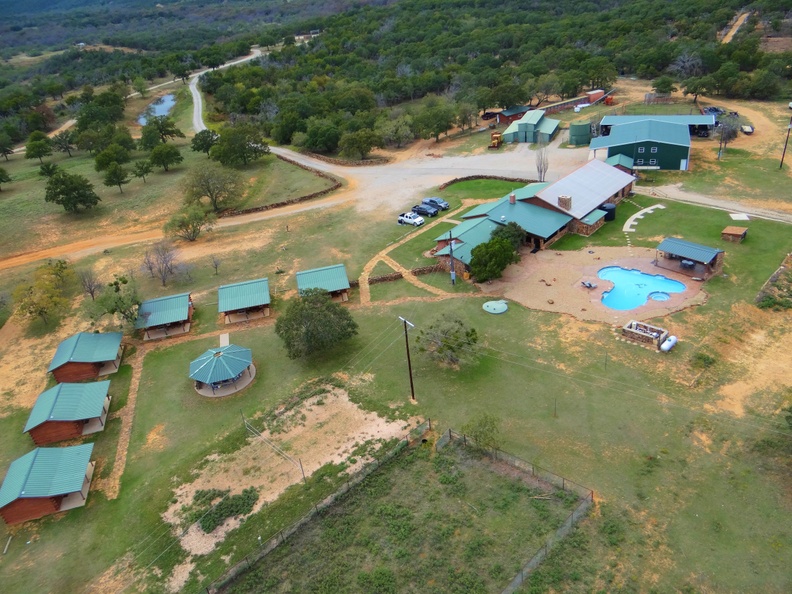
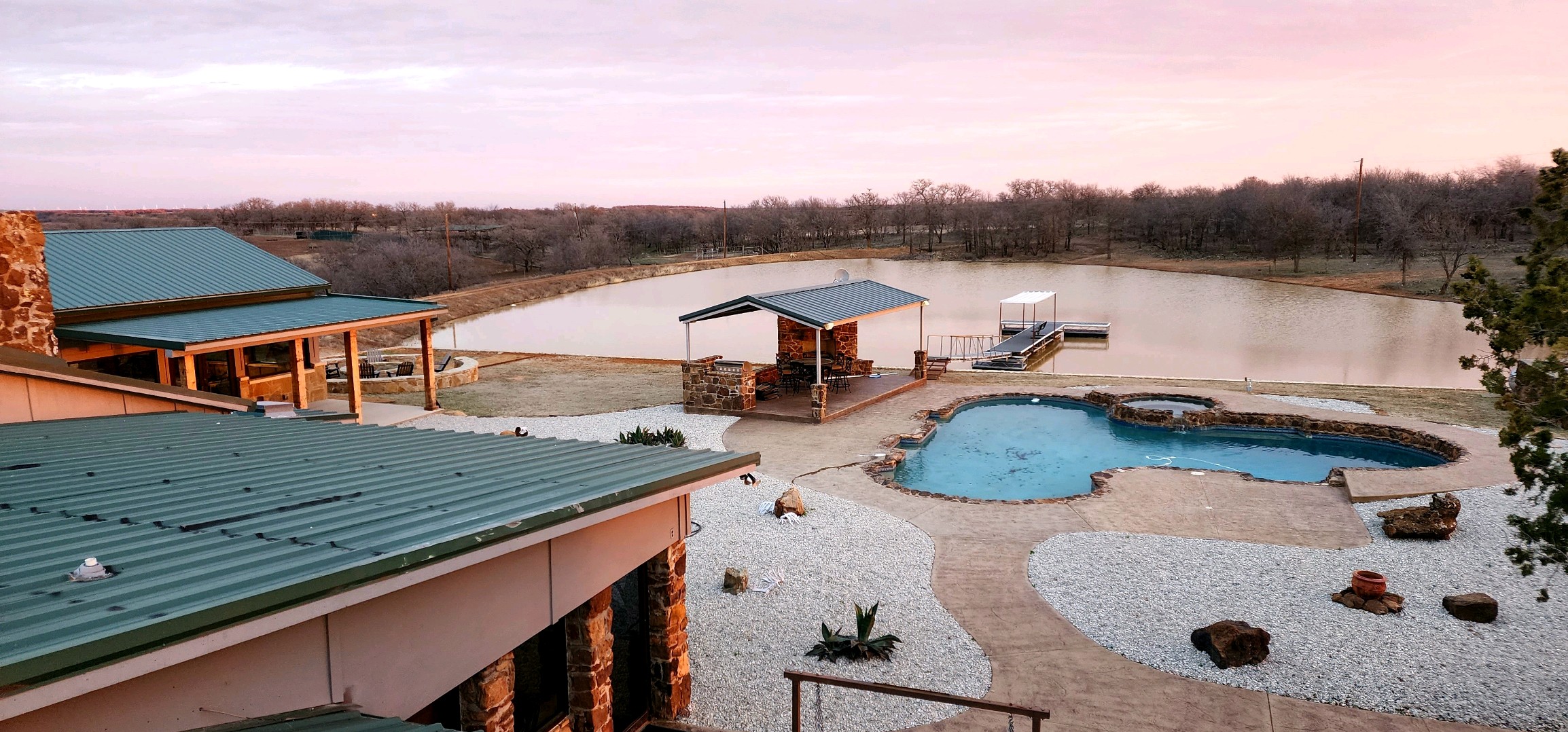
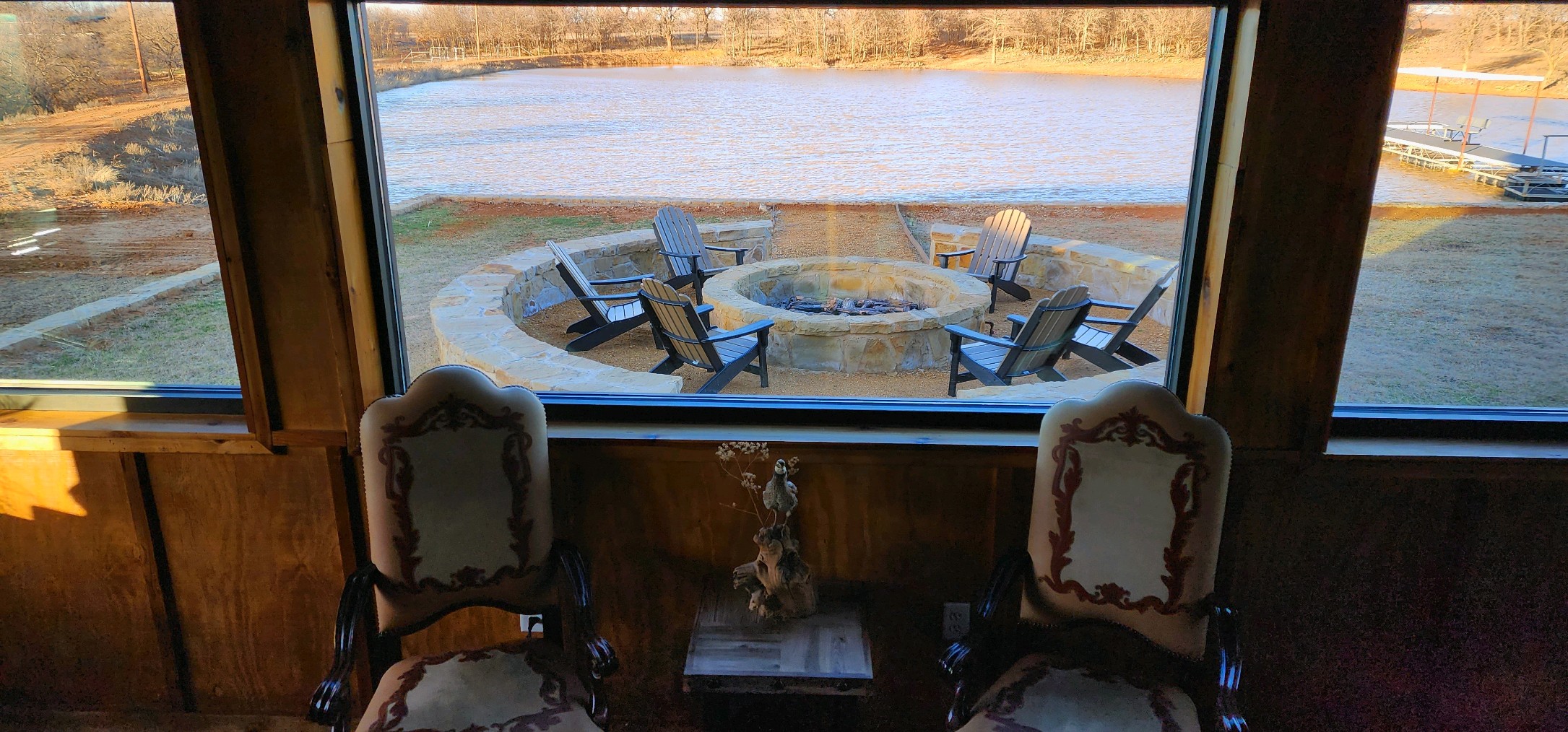
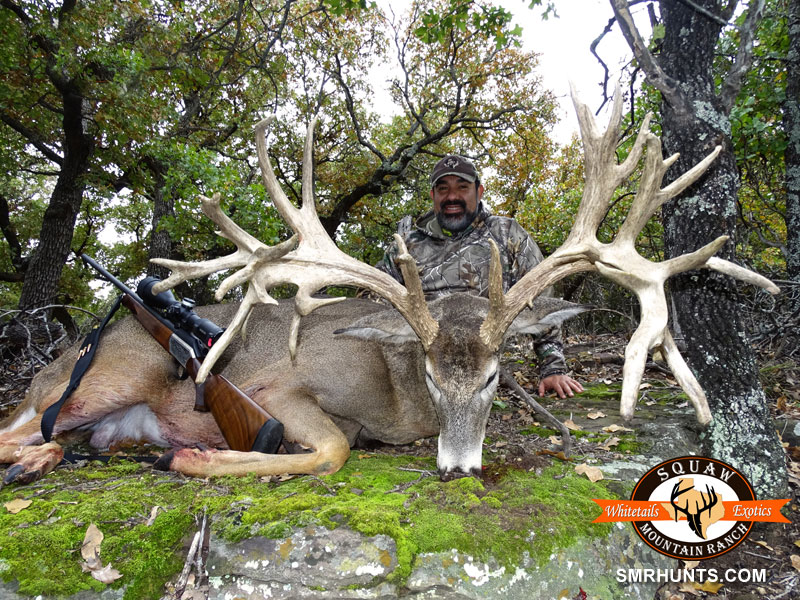
Places like Squaw Mountain Ranch offer ideal whitetail habitat with a balance of natural cover, open feeding areas, and water access. This combination supports healthy deer populations and consistent movement patterns throughout the season.

Seasonal Changes in Where Whitetails Live

Whitetail behavior shifts with the seasons. During hotter months, deer stay closer to water and shaded cover. As fall approaches, they begin moving more frequently between bedding and feeding areas. During the rut, bucks expand their range, traveling farther in search of does.

Knowing how habitat use changes seasonally can make a big difference when planning a hunt.

Whitetail deer are creatures of habit, but they’re also incredibly adaptable. When you understand where they live—and why they choose certain areas—you gain insight that goes far beyond spotting tracks or trails. Habitat knowledge turns time in the field into a more informed, rewarding experience and helps hunters read the land the same way the deer do.