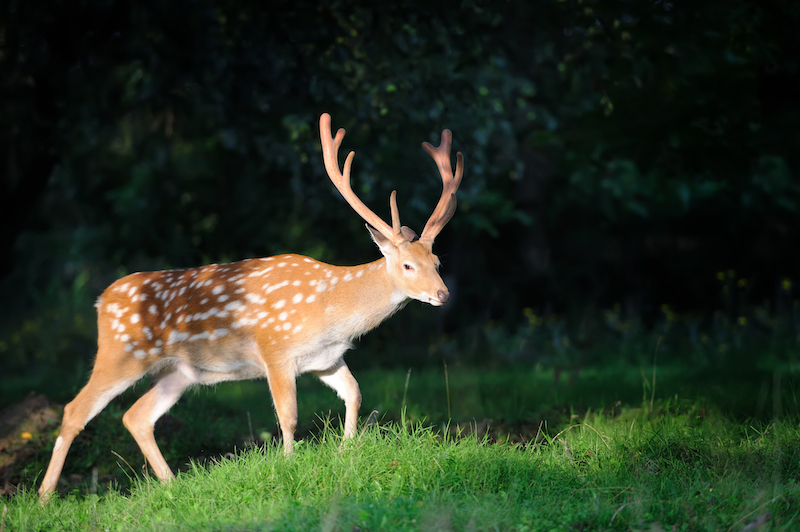

A mature whitetail that has heard trucks stop at the same gate, smelled hunters along the same trail, and watched blinds get visited on the same schedule does not need a dramatic reason to change his routine. He only needs a pattern. That is why hunting pressured whitetail deer is less about calling louder or walking farther and more about becoming difficult for deer to predict.
The effective approach is straightforward: reduce intrusion, hunt the wind honestly, identify where deer feel secure in daylight, and only make a move when the setup is worth the disturbance. On a property with varied Texas terrain, experienced guidance can shorten the learning curve. Hunters exploring North Texas whitetail deer hunts can build their plans around terrain, prevailing conditions, and the deer behavior observed on the ranch.
Why Pressured Whitetails Become Harder to Hunt
Hunting pressure is not limited to gunfire or a missed opportunity. Pressure is every human clue a deer learns to associate with danger: scent left near a bedding edge, repeated foot traffic, an ATV arriving before daylight, a door slamming at the parking area, or hunters repeatedly occupying the most obvious stand. Over time, older bucks may still use familiar food, water, and cover, but their daylight movement becomes less forgiving.
Pressure Changes Timing Before It Changes Habitat
A pressured buck does not always abandon a productive area. Often, he simply arrives after legal light, stages deeper in cover, or travels a less direct route. That distinction matters. Hunters who keep watching the same open food source may believe the deer disappeared, while the buck is bedding nearby and waiting for darkness.
Safe Cover Becomes the Center of the Plan
Look for the pieces of a property that people naturally avoid: brushy draws, irregular edges, leeward sides of ridgelines, tangled transitions between bedding and feed, or terrain that offers a buck both visibility and an escape route. These places are not automatically stand sites. They are starting points for understanding where a deer can survive pressure without exposing himself.
How to Hunt Pressured Whitetail Deer More Effectively
1. Treat Access as Part of the Hunt
Many hunts fail long before a hunter sits down. A perfect stand reached by a noisy, upwind entry route is not a perfect stand. Before choosing a setup, ask a harder question: can you get in and out without crossing the trails, scent corridors, or cover the deer are likely to use?
- Use low-impact entry routes such as field edges, washed-out paths, or terrain breaks that conceal movement.
- Avoid cutting through the very bedding or staging cover that makes the setup attractive.
- Plan the exit before the sit begins, especially when deer may be feeding nearby after sunset.
The best access route is often not the shortest one. It is the one that protects tomorrow’s hunt as well as today’s opportunity.
2. Let the Wind Make the Decision
Pressured deer survive by trusting their noses. That makes wind discipline for whitetail hunting non-negotiable. A stand that works in one wind can be damaging in another, even when the view looks ideal. Pay attention not only to wind direction at the parking spot, but also to thermals and swirling air in draws, creek bottoms, timber pockets, and uneven terrain.
Choose a setup where your scent cone avoids bedding cover and the likely approach route. A marginal wind is not a challenge to overcome; with a pressured buck, it is usually an invitation to educate him.
3. Hunt the Transition, Not Only the Destination
Open feeding areas are easy to recognize, which is exactly why they often receive the most attention. Under sustained pressure, a mature buck may stop short of the visible destination and wait in a secluded transition zone. Focus on the overlooked movement between security cover and food: narrow brush lines, interior corners, hidden benches, downwind edges, or quiet funnels that allow cautious movement.
Fresh tracks, current rub activity, and recently used trails matter more than old sign that merely proves a buck once passed through. Your goal is not to admire history. It is to intercept a current pattern while leaving as little evidence of your presence as possible.
4. Reduce Calling, Movement, and Unnecessary Sits
When deer already associate human activity with danger, excessive calling, repeated rattling, frequent stand checks, or a hunter shifting visibly in an exposed blind can turn caution into avoidance. Subtlety often wins. Sit still, glass carefully, and resist forcing action where the situation calls for patience.
This is especially true outside brief windows when deer behavior supports more assertive tactics. A quiet setup near a believable travel route may generate fewer dramatic moments, but it also gives an older deer fewer reasons to become suspicious.
5. Save Your Best Location for the Right Conditions
A high-confidence location should not be hunted simply because it is available. Pressured buck hunting rewards timing: the correct wind, a suitable entry and exit, manageable temperatures, and a recent reason to believe deer will move before dark. Hunt a strong spot carelessly, and it may go cold. Hunt it when the conditions align, and one sit may be all you need.
Reading North Texas Terrain Through a Pressure Lens
North Texas hunting ground can present a productive mix of brushy cover, open flats, and elevated terrain. At Squaw Mountain Ranch, hunters can explore more than 2,000 acres of rugged Jack County terrain, with guided services, stands, blinds, lodging, meals, and beverages available through the ranch experience. The practical value of that variety is that hunters can adapt rather than repeat a single approach: a morning observation over a travel corridor, an evening sit on a guarded edge, or a plan adjusted after the guide reads fresh movement and wind.
A guided hunting experience can be especially valuable when deer have had prior contact with hunters. Someone who knows the land can help identify which routes are overused, which cover is being left alone, and which setup permits a responsible shot without crowding the animal’s security zone. Between hunts, luxury ranch lodging in North Texas gives hunters a comfortable base for resting, reviewing conditions, and preparing for the next sit.
What Not to Do When Deer Are Pressured
Pressure tempts hunters to do more. Often, the better answer is to do less, more deliberately. Avoid these common errors:
- Hunting the same stand repeatedly when wind, access, or observed movement no longer support it.
- Chasing old sign without confirming current travel through fresh tracks, new rubs, or direct observation.
- Pushing into bedding cover too early and making a cautious deer fully nocturnal in that area.
- Taking a rushed or uncertain shot because the opportunity feels rare. A rare opportunity still must be a safe, ethical one.
Ethical, Legal Hunting Is Part of Effective Hunting
An effective hunt is measured by judgment as much as by outcome. Texas deer regulations and limits can vary by county and property program, so hunters should verify the current rules for their hunt before entering the field. The Texas Parks & Wildlife white-tailed deer regulations provide current season and bag-limit guidance, while Texas Hunter Education covers safety, legal and ethical practices.
Every setup should provide a safe field of fire and a clearly identified target with a known background. Follow ranch rules, guide instructions, applicable licensing and tagging requirements, and any county-specific restrictions. A disciplined hunter does not let the difficulty of a pressured buck lower the standard for a clean, responsible opportunity.
A Better Hunt Begins Before the First Sit
Pressured whitetails are not unhuntable. They are simply less tolerant of routine. Hunters who protect their access, respect the wind, focus on quiet transition cover, and wait for a high-quality opportunity make the hunt feel natural again rather than forced.
For hunters looking to plan a carefully guided whitetail experience in Jacksboro, book a guided whitetail hunt at Squaw Mountain Ranch and discuss timing, lodging, equipment needs, and current hunt details with the ranch team before arriving.
Frequently Asked Questions
Repeated human scent, noisy access, vehicles, stand activity, and poorly timed hunts can make deer alter their daylight behavior. Mature bucks may use thicker cover, travel less obvious routes, stage short of feeding areas, or move after legal shooting light. The most useful response is not necessarily to go deeper immediately; it is to identify what human pattern the deer are avoiding and change your own pattern first.
Sometimes, but entering deeper cover carries a cost. Bedding-area edges or secluded transitions can provide daylight opportunities, yet careless access may alert deer and reduce future chances. Move closer only when the wind, entry route, exit route, recent sign, and shot safety make the risk reasonable. In many situations, a low-impact setup just outside secure cover is the wiser first move.
Confirm the exact packing list with your outfitter before travel. In general, bring the properly licensed and compliant hunting equipment you intend to use, suitable clothing for changing Texas conditions, dependable footwear, optics if recommended, and any personal essentials. Squaw Mountain Ranch states that stands, blinds, additional field equipment, guide services, meals, beverages, and lodging are available as part of its offering; contact the ranch for current package inclusions and equipment guidance before your hunt.