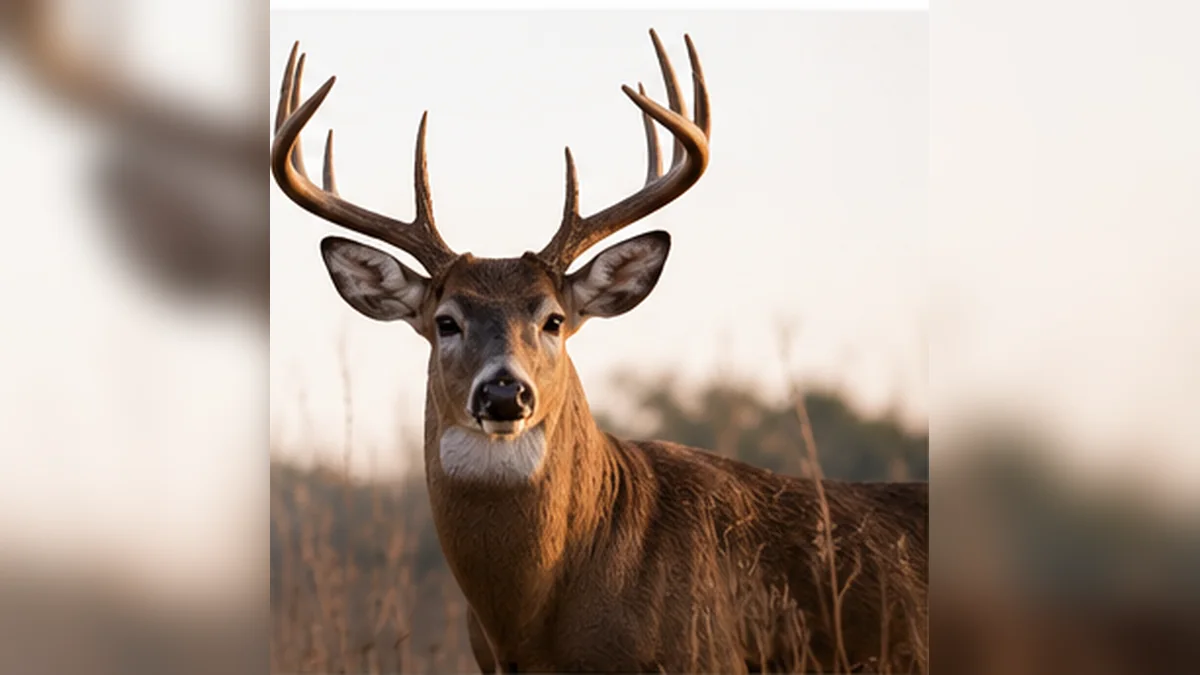

A heavy rack catches the eye first. That is natural. But when hunters try to estimate the age of a whitetail deer before making a field decision, antlers are only a small part of the picture—and often the least dependable part.
Nutrition, genetics, drought, injury, and local herd management can all change what a buck carries on his head. The body tells a longer story. Chest depth, neck development, belly line, leg proportions, posture, and movement can help an experienced observer place a buck into a reasonable age class.
That estimate is never a birth certificate. It is a field judgment. On a guided ranch hunt, the best approach is to study the entire deer, watch it from more than one angle, and confirm the decision with someone who knows the herd. Hunters planning whitetail deer hunts in North Texas can use this guide to understand what the ranch team is evaluating when a buck steps into view.
Why Age Matters More Than Antler Size Alone
A young buck can grow an impressive rack when genetics and nutrition line up. A mature buck can carry less antler than expected after a difficult year. Judging age from antler points, spread, or tine length alone invites mistakes.
Body-based aging is useful because physical maturity changes the proportions of the deer. Muscle develops across the shoulders and neck. The chest deepens. The waist becomes less tucked. The legs appear shorter—not because they shrink, but because the body gains mass around them. Older bucks may also carry themselves with a slower, heavier posture.
Texas wildlife managers use age information to understand herd structure and harvest pressure. For hunters, the practical goal is simpler: distinguish a youthful, athletic buck from a physically mature animal before discussing trophy class or shot opportunity.
The Most Reliable Body Clues to Study
Neck and Shoulder Development
Young bucks usually show a clear visual break where the neck meets the chest. As a buck matures, the neck becomes thicker and blends more naturally into the shoulders. During the rut, neck swelling can make nearly every adult buck look older, so compare the neck with the chest and front legs rather than judging it by itself.
Chest Depth and Front-End Mass
A youthful deer often looks heavier in the hindquarters than in the chest. Mature bucks become more balanced, then increasingly front-heavy. Viewed broadside, the brisket may hang lower and the shoulders look blockier. From the front, the chest appears wider and more substantial.
Belly, Back, and Waistline
The classic young-buck silhouette has a tight belly, a noticeable waist, and a straight back. With age, the belly becomes fuller and the waist less defined. Very old bucks may show a sagging belly and a slight dip through the back. Seasonal weight loss can exaggerate those changes, particularly after the rut.
Leg-to-Body Proportion
Yearling bucks often look as if they are standing on unusually long legs. Mature bucks seem lower to the ground because the chest and belly occupy more of the space between the spine and the hooves. This clue is especially useful when the entire deer is visible in an open lane.
Head Shape and Overall Posture
A young buck commonly has a narrow face and a light, alert posture. Older animals can appear blockier through the head, with a thicker muzzle and a more deliberate stance. Head shape varies, though, so use it as supporting evidence—not the deciding factor.
Whitetail Deer Age Classes at a Glance
| Estimated Age | Typical Body Appearance | What Often Stands Out |
| 1.5 years | Slim body, narrow chest, tight belly, long-legged appearance | Neck is thin; hindquarters look stronger than shoulders |
| 2.5 years | Athletic frame with more muscle but a visible waist | Chest is developing; legs still look relatively long |
| 3.5 years | Deeper chest, thicker neck, balanced shoulders and hindquarters | Body begins to look mature, but belly and back remain firm |
| 4.5 years | Heavy shoulders, neck blends into chest, fuller belly | Legs appear shorter; body carries substantial front-end mass |
| 5.5+ years | Blocky, heavy frame; possible belly sag and back dip | Movement may look deliberate; rut or winter weight loss can sharpen features |
Why Season and Viewing Angle Can Fool You
The same buck can look surprisingly different in September, at peak rut, and after weeks of breeding activity. Pre-rut bucks may be sleek and well-fed. Rutting bucks carry swollen necks and a more powerful front end. Late-season bucks can lose weight, making the ribs, hips, or waist more visible.
Angle matters too. A quartering deer can hide belly depth. Tall grass can erase the lower leg line. A downward camera angle can make the back seem dipped. Before settling on an age estimate, try to see the buck broadside, facing you, and walking if conditions allow.
- Study the deer before studying the rack. Start with proportions, then consider antlers as secondary information.
- Use several clues together. One thick neck or large chest is not enough.
- Account for the calendar. Rut swelling and post-rut weight loss can shift the appearance by an age class.
- Compare deer from the same property. Local genetics, forage, and management shape what “mature” looks like.
Common Mistakes When Judging a Buck
- Counting antler points. Point count does not reveal age. A younger buck may carry many points, while an older deer may have a simpler frame.
- Making the call from one photograph. Trail-camera lenses, distance, pose, and season can distort proportions.
- Ignoring the hindquarters. The relationship between shoulders, chest, waist, and hams is more informative than the front half alone.
- Assuming every heavy deer is old. Excellent nutrition can produce large-bodied younger bucks.
- Rushing because the deer may leave. A mature-harvest program depends on disciplined observation and guide communication.
How a Guide Improves Field Judgment
A local guide has an advantage that no generic aging chart can replace: repeated exposure to the same herd. Guides may recognize individual bucks, know which animals were passed in previous seasons, and understand how North Texas forage and weather affect body condition.
Squaw Mountain Ranch combines more than 2,000 acres of varied terrain with stands, blinds, field equipment, and customized guide support. A hunter can focus on observation while the guide helps evaluate age, trophy objectives, safe shot opportunities, and ranch-specific harvest expectations. Learn more about the setting on the North Texas hunting ranch page.
Post-Harvest Aging Is a Different Process
On-the-hoof aging produces an estimate. Post-harvest examination can use tooth replacement and wear in the lower jaw to place a deer more carefully into an age class. Even tooth-wear aging has limitations, but it is more systematic than guessing from antlers.
That distinction matters when hunters discuss management results. A field estimate supports the decision in the moment; jaw inspection helps evaluate the decision afterward. Keeping those two purposes separate makes both more useful.
Plan a Whitetail Hunt Around Clear Expectations
Before traveling, discuss the target age class, trophy range, available dates, expected shooting distances, equipment, and current regulations. Squaw Mountain Ranch provides meals, beverages, lodging, guide services, stands, blinds, and additional field equipment as part of its ranch experience; confirm the exact package before arrival.
Hunters and non-hunting guests can also explore the ranch’s luxury hunting lodging and trophy hunt gallery. When you are ready to discuss a specific buck class and hunt window, contact Squaw Mountain Ranch for current availability.
Frequently Asked Questions
Can antler size tell you the exact age of a whitetail deer?
No. Antler size is influenced by age, genetics, nutrition, injury, weather, and herd conditions. It may support a broader judgment, but body proportions and repeated observation are more useful for estimating age on the hoof. Exact age is rarely possible from a field view alone.
At what age is a whitetail buck considered mature?
Many deer managers consider bucks around 4.5 years and older physically mature because most skeletal growth has occurred and the chest, neck, and shoulders show adult proportions. Ranch goals vary, so the guide’s harvest criteria should control the final decision.
What is the best way to practice aging whitetail deer?
Study broadside photographs and videos of known-age deer, compare multiple age classes from the same region, and make an estimate before reading the confirmed age. In the field, watch the full animal from several angles and ask the guide to explain the clues behind the ranch’s decision.
This article is educational. Hunters must follow current Texas regulations, ranch rules, guide instructions, licensing requirements, and safe, ethical shot-selection practices.