
A strong corporate retreat gives people something they cannot get from another conference room: shared experience. For teams and client groups that already enjoy the outdoors, a corporate hunting retreat in Texas can combine serious time in the field with relaxed conversations, good meals, comfortable lodging, and enough downtime for relationships to develop naturally.
The planning matters. A corporate hunt is not simply a normal hunting trip with more names on the reservation. Skill levels vary. Some guests care about a particular trophy class; others may be hunting for the first time. Executives may need a short trip that fits around work commitments, while hosts may want private time with clients after the hunt. The best itinerary accounts for all of that before anyone leaves Dallas or Fort Worth.
Squaw Mountain Ranch offers dedicated corporate hunting trips in North Texas from its Jacksboro ranch, with guided hunting, cabins, food and drinks highlighted as part of the group experience. The ranch is also marketed as less than two hours from the Dallas-Fort Worth Metroplex, which can make a multi-day retreat easier to organize than a fly-in destination.
Start With the Business Goal, Not the Species
Before choosing dates or trophy classes, decide why the group is going. A client-appreciation trip has a different rhythm than an executive leadership retreat, sales incentive, employee reward, or relationship-building weekend with strategic partners.
Client hospitality: Prioritize flexible schedules, comfortable lodging, meals, guide support, and enough unstructured time for conversation.
Team reward: Build the trip around shared memories and low-friction logistics rather than filling every hour.
Executive retreat: Protect blocks of quiet time for business discussion and keep hunting activities optional for participants who want downtime.
Sales or partner incentive: Make the inclusions, trophy pricing and guest expectations clear before invitations go out.
First-time group hunt: Ask the ranch to help match guides, hunt style and pacing to varied experience levels.
Choose a Hunt That Fits the Group
Squaw Mountain Ranch promotes whitetail and a broad range of exotic species. That variety is useful for corporate groups because not every guest has the same objective or budget. Review the ranch’s current exotic hunt pricing and species list before presenting the retreat internally.
A host should avoid making assumptions about what a quoted hunt includes. Ask whether the rate includes lodging, meals, guide services, trophy fees, beverages, field transportation or other items, and identify which costs are fixed versus dependent on the animal selected. Clear expectations protect both the host and the guest.
Planning Decision | Questions to Ask | Why It Matters |
Species / trophy goal | Will everyone pursue the same species? Are trophy classes priced separately? | Keeps individual expectations and budgets aligned. |
Experience level | Who is new, experienced, rifle-oriented or bow-oriented? | Helps the ranch pair guests with appropriate pacing and guide support. |
Trip length | Is this one hunt day, a two-night retreat, or a longer stay? | Determines how much downtime and business conversation fit naturally. |
Lodging | How many private cabins/rooms are needed? Who shares accommodations? | Avoids last-minute room assignments that feel improvised. |
Meals / beverages | What is included and can dietary needs be accommodated? | Hospitality is part of the client experience. |
After-harvest logistics | How are meat, taxidermy or transportation arrangements handled? | Guests need to know what happens after the field portion ends. |
Use the Lodge as Part of the Retreat
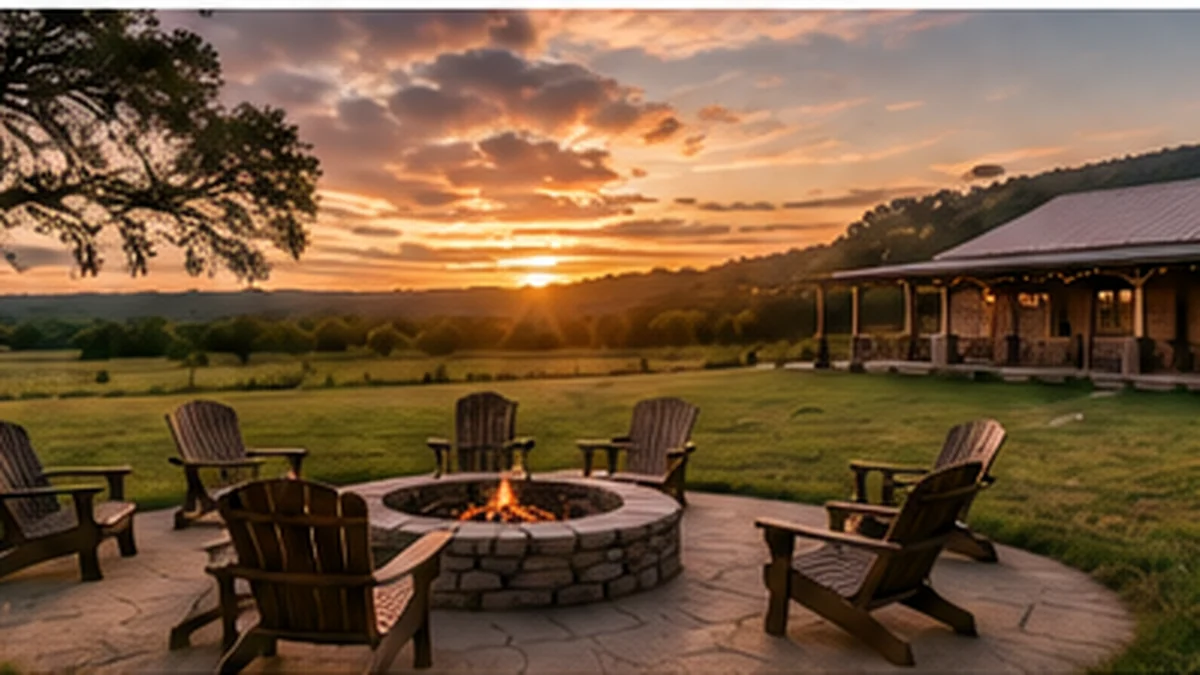
The hunt creates the shared experience; the lodge is where much of the relationship building happens. Squaw Mountain Ranch’s North Texas hunting lodging includes six private guest cabins plus a lodge with a living area, full bar, breakfast area, big-screen TV, arcade game, pool table and outdoor pool.
For a corporate host, those amenities create natural options after the field portion of the day. Instead of scheduling a formal meeting immediately after a hunt, leave room for showers, meals, conversation, games or simply sitting together. If business discussion is part of the purpose, schedule one defined block so the trip still feels like an experience rather than an off-site meeting disguised as a hunt.
Build a Simple Corporate Hunt Itinerary
Time | Example Activity | Host Planning Note |
Arrival afternoon | Check-in, ranch orientation, equipment confirmation, informal dinner. | Use arrival time to resolve paperwork and expectations before the first hunt. |
Day 1 morning | Guided hunt or field activity by assigned groups. | Pair guests according to skill, goals and preferred hunt style. |
Midday | Meal, downtime, optional business conversation. | Keep the formal agenda short and focused. |
Day 1 afternoon/evening | Second hunt window, return to lodge, dinner and social time. | Do not over-schedule after a long field session. |
Day 2 | Final hunt opportunities, breakfast/lunch, departures. | Confirm trophy/meat/logistics before guests leave the ranch. |
Make Safety and Compliance Part of the Invitation
Corporate hosts should never assume that every guest understands Texas licensing and hunter-education requirements. Texas Parks and Wildlife states that every hunter, including an out-of-state hunter, born on or after September 2, 1971 must complete hunter education unless an applicable accompaniment/deferral rule is being used. Current requirements should be verified directly with TPWD before travel.
Give invitees enough lead time to handle licenses, hunter education, travel and equipment questions. The ranch’s whitetail hunting page also reminds guests that a valid Texas hunting license is required. If the corporate group includes non-hunters, tell the ranch in advance so activities and expectations can be planned appropriately.
Collect experience information privately. Avoid putting a new hunter in the position of overstating experience in front of clients or coworkers.
Confirm ranch firearm and archery rules. Ask about approved methods, ammunition, zeroing, transport and range procedures before arrival.
Do not mix alcohol with hunting activities. Keep beverages for the lodge after firearms and hunting activity are finished for the day.
Use guides and ranch instructions as the operational standard. Group leaders should not create their own field rules on arrival.
Plan transportation. Decide who is driving to Jacksboro and whether guests will arrive together or independently.
Corporate Retreat Questions to Settle Before You Send the Invite
How many people are actually hunting?
A group of ten guests does not necessarily mean ten hunters. Confirm spouses, observers, clients who prefer lodge time, and anyone whose participation is tentative.
Who is paying for trophy upgrades?
If a company is covering a base package but guests can choose a higher trophy class, document how the difference will be handled before the hunt.
What is the dress expectation?
Field clothing can be practical while dinners remain casual. Tell guests what they need so nobody packs for a formal retreat or arrives without suitable layers and boots.
How private does the group need to be?
Ask what lodging and shared-space arrangements are available for your dates, especially when client confidentiality or executive discussions matter.
What happens if weather changes the field plan?
Build enough flexibility into the itinerary that the retreat still works if hunt timing shifts.
Why North Texas Works for a Corporate Hunting Trip
A destination does not need to be far away to feel removed from normal business routines. Squaw Mountain Ranch’s Jacksboro location gives Dallas-Fort Worth companies access to a 2,000-acre ranch setting, lodging and guided hunting without building the event around commercial flights and long transfers.
That proximity can also make the retreat more inclusive. A guest who cannot commit to a four-day destination hunt may be able to participate in a shorter North Texas stay. For hosts, shorter travel can mean more of the budget goes toward the actual experience rather than transportation.
Turn the Hunt Into a Repeatable Client Experience
The strongest corporate trips are the ones guests describe easily afterward: organized, comfortable, safe and personal. Keep the planning transparent, match the hunting to each person, leave room for the lodge experience, and let the ranch guides manage the field rather than trying to turn the event into a competition.
To build a group itinerary, review Squaw Mountain Ranch’s corporate hunting trips, lodging and current hunt pricing, then contact the ranch with the group size, preferred dates, experience levels and target species.
Frequently Asked Questions
How far is Squaw Mountain Ranch from Dallas-Fort Worth for a corporate hunt?
Squaw Mountain Ranch is in Jacksboro, Texas, and the ranch currently markets itself as less than two hours from the Dallas-Fort Worth area. Drive time varies by starting point and traffic, so corporate hosts should build a realistic arrival window into the itinerary.
Can a corporate hunting group include beginners and experienced hunters?
Yes. A guided ranch format can accommodate mixed experience levels more effectively when the organizer tells the ranch in advance who is new, who has specific hunting-method preferences and who has a particular trophy goal. Licensing and hunter-education requirements still apply to each participant.
Does a corporate hunting package include lodging and meals?
Squaw Mountain Ranch highlights cabins, food, drinks and experienced guides on its corporate-hunt page, but package inclusions and trophy costs can vary. Confirm exactly what is included for the selected dates and species before presenting a per-person budget to guests.
Hunting regulations, seasons, license requirements and ranch policies can change. Verify current Texas Parks and Wildlife rules and the ranch’s current package terms before travel.