
A family hunt has a different definition of success than a solo trophy trip. The harvest matters, but so does whether a new hunter felt confident, whether grandparents were comfortable, whether children understood the safety rules, and whether everyone still wants to make the trip again next year.
That makes family hunting trips in Texas as much about pacing and preparation as hunting. The best plan leaves room for different ages, physical abilities, attention spans and hunting experience. It also gives non-hunting family members a clear idea of what they can do while others are in the field.
Squaw Mountain Ranch offers dedicated family hunting trips in North Texas at its Jacksboro ranch, alongside private cabins, a shared lodge, guided hunts and a broad range of whitetail and exotic species.
Decide What Kind of Family Hunt You Are Planning
A parent introducing one teenager to hunting needs a different itinerary from three generations traveling together. Start by listing who plans to hunt, who wants to observe, who needs a slower pace, and who is mainly coming for time at the ranch.
Family Group | Planning Priority | Useful Approach |
Parent + first-time youth hunter | Safety, confidence and simple expectations. | Keep the field schedule shorter and let the guide focus on one new hunter. |
Multiple siblings / cousins | Fair turns, supervision and attention spans. | Plan who hunts when rather than assuming everyone can participate identically. |
Grandparent + adult children | Mobility, comfort and shared tradition. | Ask about blind access, vehicle use, walking distance and rest periods. |
Mixed hunters / non-hunters | Lodge time and optional activities. | Build meals and social time when everyone is together. |
Experienced hunting family | Species/trophy goals and efficient logistics. | Confirm hunt methods, pricing and after-harvest arrangements in advance. |
Understand Texas Youth Hunting and Hunter Education Rules
Texas Parks and Wildlife currently requires every hunter born on or after September 2, 1971 to complete hunter education unless the person is hunting under an allowed accompaniment or one-time deferral provision. The minimum age for hunter-education certification is 9.
For hunters age 9 through 16 who fall under the requirement, TPWD says they must either successfully complete hunter education or be accompanied. The department defines accompanied as being with a licensed hunter who is at least 17, has completed hunter education or is exempt, and remains within normal voice control. Youth under 17 can purchase a Texas Youth Hunting License; current license and endorsement rules should always be checked before the trip.
Do not rely on an old blog post, a family member’s memory, or another state’s rules. Use the current Texas Outdoor Annual/TPWD guidance and ask the ranch about any additional property rules.
Make the First Hunt About Good Decisions, Not a Trophy Deadline
A young or first-time hunter can become overloaded by new gear, early wake-ups, long sits and the pressure to make a shot. A guided family hunt works better when adults define success broadly: safe firearm handling, patience, observation, learning animal behavior, listening to the guide and making a responsible decision when an opportunity appears.
Set expectations the night before. Explain the morning schedule, how long the field period may last and what the guide expects.
Practice before the trip. Familiarity with hearing protection, optics and the chosen firearm or bow reduces distraction in the field.
Use age-appropriate field time. A shorter successful sit can build more enthusiasm than an exhausting full-day schedule.
Let the guide slow things down. New hunters benefit when there is time to identify the animal, confirm safety and understand the decision.
Never make a child responsible for an adult’s trophy expectations. The learning experience should remain more important than the outcome.
Choose Lodging That Keeps the Family Together
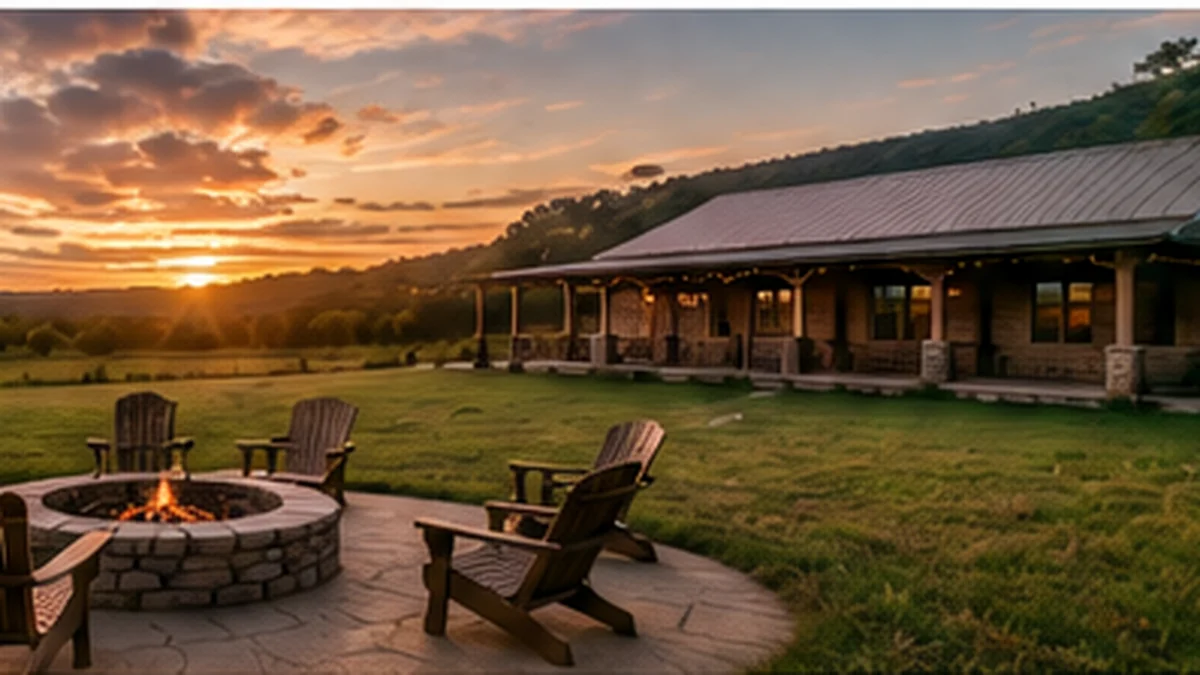
Multi-generation trips become much easier when the group can return to comfortable accommodations instead of driving back to a hotel after each hunt. Squaw Mountain Ranch’s hunting lodge and cabins include six private guest cabins plus a lodge with living space, a breakfast area, big-screen TV, arcade games, pool table and outdoor pool.
Those features matter even more on a family trip because not every person will want the same amount of field time. Someone who sits out an afternoon can still relax at the lodge, and families can regroup for meals rather than spending the entire trip separated into hunting parties.
Plan Around Comfort, Mobility and Attention Span
Before booking, give the ranch an honest picture of the group. Ask about walking distance, terrain, blind access, ranch vehicles and the hunt styles available for the species you are considering. Squaw Mountain Ranch’s species pages describe options that can include blinds, high-rack vehicles and spot-and-stalk approaches, depending on the animal and hunt.
A grandparent with limited mobility may enjoy the same trip as an athletic adult child if the field plan is chosen intentionally. Likewise, a young hunter who is comfortable in a blind may not be ready for a long active stalk. The experience should be customized around the hunter rather than using one format for everyone.
What to Pack for a Family Ranch Hunt
Category | Bring / Confirm | Family Tip |
Licenses and documents | Current Texas hunting license, hunter-education proof/deferral where applicable, ID and ranch paperwork. | Check each hunter individually; do not assume one adult handled every license. |
Clothing | Seasonal layers, rain protection, sturdy boots, gloves/hat as needed. | Pack a dry backup layer for youth hunters. |
Safety gear | Hearing/eye protection and any ranch-required safety equipment. | Make sure youth-sized protection actually fits. |
Field comfort | Water, snacks, personal medication, binoculars and a small day bag. | Familiar snacks can make a long sit easier for young hunters. |
Hunting equipment | Approved firearm/bow, ammunition/arrows and personal gear as confirmed with ranch. | Transport and secure equipment according to law and ranch policy. |
After-harvest | Cooler and any meat/taxidermy transport supplies discussed with the ranch. | Decide before arrival what the family wants to keep and how it will travel home. |
Pick a Species and Budget Before the Family Gets Excited
Squaw Mountain Ranch offers whitetail hunts and many exotic species. Family groups should review the current exotic hunt price list before discussing specific trophies with younger hunters. Prices can vary substantially by species and trophy class.
If two or more family members will hunt, decide whether everyone has the same budget and goal. One person may want a whitetail, while another may prefer an exotic hunt that fits a different time of year. A clear plan prevents the trip from becoming a negotiation after everyone has already arrived.
A Two-Night Family Hunt Schedule That Does Not Feel Rushed
Day | Example Plan | Why It Works |
Arrival day | Check in, review ranch rules, organize gear, enjoy dinner and lodge time. | Children and older adults settle in before the early hunting schedule begins. |
Morning 1 | Primary guided hunt with the first designated hunter. | Uses the fresh morning period without asking the entire family to hunt at once. |
Midday | Meal, rest, pool/games/lodge time, equipment reset. | Prevents fatigue and gives non-hunters family time. |
Afternoon 1 | Second hunting opportunity or alternate family hunter. | Creates flexibility if the first hunt runs long or weather changes. |
Morning 2 | Final hunt window and photos/logistics. | Leaves time to resolve meat, trophy or packing details before departure. |
Talk About Firearm Safety Before You Reach the Ranch
A ranch orientation should reinforce safe behavior, not introduce it for the first time. Families should review the basic rules at home and model them consistently. Adults are responsible for storing and transporting firearms securely and following Texas law and ranch instructions.
Do not let the presence of several experienced relatives blur responsibility. Identify which adult is supervising which youth hunter. If an adult is helping one child, another adult should not assume the same person is simultaneously watching a second child with hunting equipment.
Give Non-Hunting Family Members a Real Place in the Trip
Not every spouse, grandparent or child will want to hunt. That should be part of the itinerary, not treated as a surprise. Ask the ranch what portions of the experience non-hunting guests can participate in and how lodging arrangements work for observers.
Family meals, photographs, lodge time and the shared ranch setting can make the trip meaningful for people who never enter a blind. This is one of the reasons lodging on the property can matter more for a family trip than for a hunter traveling alone.
Make the Trip Easy to Repeat
The best family hunting tradition is not built by forcing every person into the same role. It comes from a safe trip that leaves people with good stories, a better understanding of hunting and enough comfort that they want to return.
Review Squaw Mountain Ranch’s family hunting trips, lodging and hunt options, then contact the ranch with the ages, experience levels, mobility considerations and goals of the family before selecting dates.
Frequently Asked Questions
Can children hunt in Texas on a family hunting trip?
Texas allows youth hunting, but license, hunter-education and accompaniment requirements depend on age and circumstances. TPWD currently offers a Youth Hunting License to residents and non-residents under 17, and hunters subject to hunter-education requirements must follow the current age-specific education/accompaniment rules.
Is Squaw Mountain Ranch suitable for non-hunting family members?
The ranch markets its lodging for individual hunters, families and corporate events, and the lodge includes shared leisure amenities. Contact the ranch before booking to discuss which family members will hunt and what arrangements are available for observers or guests who prefer lodge time.
What is the best first hunt for a new family hunter?
There is no single best species or method for every beginner. A better choice is a hunt that matches the person’s age, physical ability, previous practice, preferred equipment and attention span. Discuss those factors with the ranch guide before selecting the hunt and trophy budget.
Hunting regulations, youth requirements, licenses and ranch policies change. Verify current Texas Parks and Wildlife requirements and Squaw Mountain Ranch policies before the trip.